The compressor is the engine of every central air conditioner and heat pump. It moves refrigerant, builds pressure, and drives heat exchange. In Berino’s high-desert climate, compressors work hard from May through September, then switch duties for heat pumps in shoulder seasons. When a compressor starts to fail, the home stops cooling well, energy bills spike, and small issues turn into major repairs. Knowing the early signs saves money and prevents a mid-July breakdown on the I-10 corridor, where 100°F afternoons are common.
Air Control Services, an HVAC contractor in Berino, NM, sees compressor problems most often in systems aged 10 to 15 years, or in units choked by dust and poor airflow. The team handles AC repair and refrigerated air conversions across zip codes 88024 and 88021, from the Aero Lane area to Opitz Road and near Our Lady of Guadalupe Church. What follows is a clear, practical way to spot compressor trouble and decide on the next step.
What the compressor does and why Berino stresses it
The compressor raises refrigerant pressure and temperature so heat can reject outdoors through the condenser coil. It relies on precise oil flow, correct refrigerant charge, and steady voltage from the home’s electrical system. In Berino and greater Doña Ana County, three local factors strain compressors:
- Extreme heat. Outdoor temps beyond 100°F force longer cycles and higher head pressures. That raises motor amperage and speeds wear. Dust and agriculture. Fine dust clogs condenser fins and indoor filters. Restricted airflow leads to high pressure on the outdoor side and low pressure on the indoor side, both hard on the compressor. Evaporative cooler legacy homes. Many older homes still have swamp coolers or ductwork sized for low static pressure. Conversions to refrigerated air need correct sizing and duct upgrades. If not addressed, the new AC’s compressor runs hot and shortens its life.
Technicians from Air Control Services see the same pattern each summer near the I-10 frontage road and the Rio Grande’s west bank. Dirty coils, weak capacitors, and overcharged or undercharged systems push compressors beyond their design window.
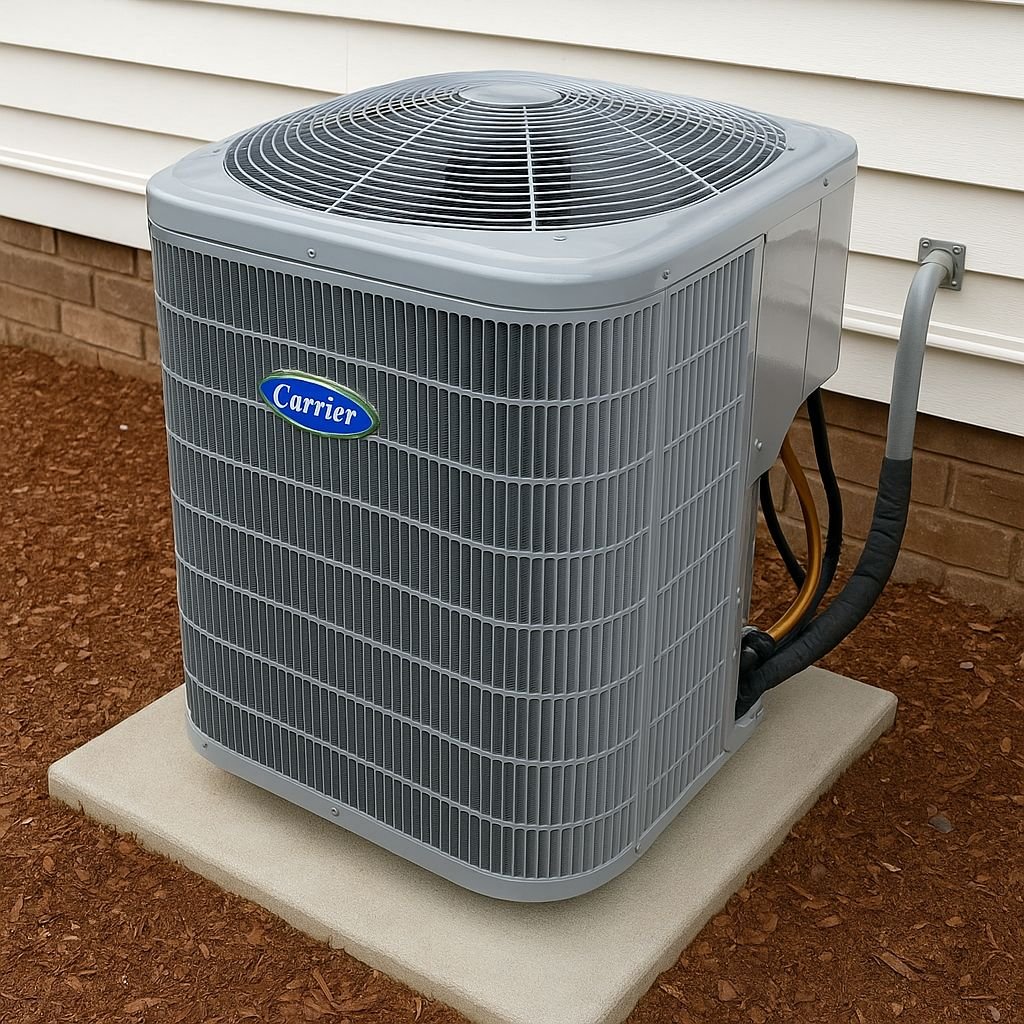
Clear signs your AC compressor may be failing
Several symptoms point to compressor distress. One alone may not confirm failure, but a cluster of two or more deserves fast attention.
Warm air from vents during a cooling call If the outdoor fan spins and the indoor blower runs but supply air feels warm or only slightly cool, the compressor may not be pumping. Other causes exist, such as a bad expansion valve, low refrigerant charge, or a faulty thermostat, but a non-pumping compressor is a prime suspect.
Long run times with poor cooling If the system runs far longer than last summer to reach setpoint, yet the filter is clean and the coil looks clear, expect reduced compression. Worn valves or internal bypass reduce refrigerant mass flow. On 100°F afternoons in Berino, this shows up fast on south- and west-facing homes.
Frequent breaker trips A compressor that hard-starts or draws locked-rotor amps beyond rated values will trip the breaker. Failures in the start or run capacitor, a failing contactor, or internal winding damage all spike amperage. After a few resets, the breaker weakens and trips sooner. Do not keep resetting. That can finish off a compressor that might be recoverable.
Loud humming, chattering, or clicking at the outdoor unit Healthy compressors hum steadily. Harsh buzzing or rapid clicking can mean a bad run capacitor, low voltage, or internal mechanical binding. If the outdoor fan runs but the compressor hums without starting, cut power and call for service. Prolonged stalled operation overheats the windings.
Ice on the refrigerant lines or outdoor unit shell Frozen evaporator coils usually tie to airflow issues, like a clogged filter, blocked return, or a matted indoor coil. But chronic low suction due to a failing compressor can also cause freeze-ups. In Berino’s dusty climate, frozen coils are common in July and August. If airflow fixes do not stop the icing, the compressor’s health is next on the checklist.
High energy bills compared with last year Compression inefficiency forces longer cycles and higher amp draw per ton of cooling. If bills jump 15 to 30 percent year over year, with similar weather, it is time for a full diagnostic.
Oil spots or burnt wiring smell near the condenser Oil stains around service valves can signal a refrigerant leak. A compressor that runs low on refrigerant overheats and can fail. Burnt smells often come from overheated contactors or fried insulation on the compressor leads. Both need fast service.
Berino-specific causes that shorten compressor life
Local context matters. The team at Air Control Services documents four recurring root causes in Berino, Anthony, Vado, and Mesquite:
Dust-packed condenser fins Even a thin film raises head pressure by 20 to 60 psi on a 100°F day. That translates to hotter windings and higher current. Condenser cleanings every spring make a clear difference. Homes near fields or unpaved roads along the Village of Berino and Opitz Road need two cleanings per season.
Weak run capacitors The run capacitor supports the compressor motor’s phase shift. Heat and age dry it out. A weak capacitor makes the compressor draw more amps and run hot. A five-minute meter test prevents months of strain. Air Control Services replaces dozens of 30/5 and 40/5 microfarad capacitors each June.
Improper refrigerant charge Technicians still find overcharged systems after coil replacements, or low charges from slow leaks at Schrader cores or flare joints. Either condition leads to poor cooling, high compression ratios, and early wear. Correct charge by weight and superheat/subcooling brings head pressures back to target. In R-410A systems, look for 8 to 12°F subcooling on many fixed-orifice setups, or manufacturer specs for TXV units. On newer R-32 equipment, follow label data closely.
Ductwork issues from evaporative-to-refrigerated conversions Swamp coolers used low static pressure and often had leaky chases. After conversion, the new condenser and air handler need tight ducts and correct return size. If returns are undersized, the evaporator runs cold, suction pressure drops, and the compressor labors. Air Control Services checks static pressure and sizes returns during conversions across 88024.
Quick checks a homeowner can do before calling
Use these simple steps. If the system still underperforms, call an HVAC contractor in Berino, NM, for a full test.
- Replace or clean the air filter. Dusty environments clog filters fast. Check monthly in summer. Rinse the outdoor coil with a garden hose from inside out. Cut power first. Avoid high pressure that bends fins. Check the thermostat mode and setpoint. Confirm “Cool” and a temperature at least 3°F below indoor temp. Verify breakers and the outdoor disconnect. Reset once only. Repeated trips point to a deeper issue. Clear debris around the condenser. Keep two to three feet of clearance on all sides.
If these steps restore cooling, schedule a maintenance visit anyway. If they do not, the compressor may need diagnosis.
What a proper compressor diagnostic looks like
A thorough visit should feel systematic and transparent. Homeowners near Downtown Berino or the I-10 frontage road can expect the following from Air Control Services:
Visual and safety checks Technicians confirm proper voltage, tight connections, and intact insulation on compressor leads. They inspect the contactor for pitting and the fan motor for smooth start. They scan for oil staining at service ports and the filter drier.
Electrical testing They test the run capacitor against nameplate values. They check compressor windings for resistance and ground faults. Locked-rotor current and running amperage get measured and compared to RLA on the unit label.
Refrigerant side measurements Gauges connect to monitor suction and discharge pressures. Technicians record superheat and subcooling, then compare them with the expected range for the specific metering device and refrigerant. Abnormal compression ratio or flat pressure spread points to internal wear.
Airflow and temperature checks They measure temperature split across the evaporator. Low split with normal charge may indicate weak compression. Static pressure readings flag duct restrictions that can drive coil freeze and harm the compressor.
Performance conclusions Findings should link symptoms to causes. For example: “Run capacitor tested 20% low, condenser coil impacted with dust, head pressure at 390 psi on a 101°F day, compressor running 22 amps vs 16.4 RLA.” In that case, targeted fixes protect the compressor and restore capacity.
Repair vs replacement: making the right call in Berino
Compressor replacement is a major decision. The right choice depends on age, refrigerant type, warranty, and the system’s overall health.
Age and condition If the system is over 12 years old and has had past repairs to the fan motor, contactor, or blower motor, replacing the entire condensing unit often makes better sense than a compressor-only swap. Newer compressors run more efficiently and pair well with updated indoor coils.
Refrigerant and compatibility R-410A remains common in Berino, Anthony, and Santa Teresa. Some homeowners consider an upgrade to high-SEER heat pumps or variable-speed condensers from Trane, Lennox, or American Standard. If the indoor coil is old or mismatched, a full system changeout prevents future charge and control issues.
Warranty status If the manufacturer compressor warranty is active, a replacement may be cost-effective. Air Control Services handles warranty verification for brands like Goodman, Rheem, York, Carrier, Bryant, Amana, Lennox, Trane, American Standard, and Daikin.
Electrical and airflow corrections If diagnostics show a weak capacitor, dirty coils, and poor airflow as the triggers, those fixes may save a compressor that is still structurally sound. Acting early prevents winding damage.
Budget and energy bills A compressor repair might cost a fraction of a new system, but an upgrade can cut summer bills by 20 to 40%. Many Berino homeowners choose replacement during a refrigerated air conversion. That solves duct issues, adds high-efficiency filtration, and brings steady comfort for both cooling and winter nights that dip below freezing.
Real cases from Doña Ana County homes
A ranch home near the Aero Lane area had rising bills and lukewarm vents. The outdoor coil looked clean from the outside but was matted inside with dust. Head pressure measured high, and the run capacitor was 25% low. After a coil clean, a new 40/5 capacitor, and a charge set to 10°F subcooling, amps dropped by 4 and the home cooled in 20 minutes.
A brick house off Opitz Road had an AC that tripped the breaker every afternoon. The compressor ohmed out fine to ground but drew high locked-rotor current. A hard-start kit, new contactor, and tightened lug connections fixed the issue. The owner added a surge protector to stabilize voltage during monsoon storms.
A 15-year-old package unit near Our Lady of Guadalupe Church failed compression. Pressures equalized fast after shutdown, and there was a light rattle at start. With multiple prior repairs and worn fan bearings, the homeowner chose a Lennox Signature Collection variable-speed heat pump. With duct sealing and a MERV 13 media filter, the dust level inside dropped, and winter electric bills fell by a third.
Preventing compressor failure in Berino’s climate
Routine maintenance and a few upgrades extend compressor life. The payoff shows up during heat waves and dust events.
Seasonal coil cleaning Schedule a condenser cleaning each spring. Homes along the I-10 corridor and near agricultural fields often need a mid-summer rinse. Clean fins keep head pressure down and oil temperature stable.
Capacitor and contactor checks Capacitors drift with heat. A quick meter check at spring tune-up prevents hard starts in July. Replace pitted contactors to avoid voltage drop and chatter.
Correct airflow and filtration Use a filter the system can handle. MERV 11 to 13 media filters work well with proper return size. For homes with heavy dust or allergies, Air Control Services installs high-efficiency filtration and checks static pressure so the compressor never sees starved airflow.
Duct inspection Leaky or undersized returns starve the evaporator. During refrigerated air conversions, the team sizes returns to keep total external static pressure near manufacturer specs, often 0.5 inches w.c. or less. That protects both the blower and the compressor.
Refrigerant and component health Techs verify charge by superheat and subcooling, check the expansion valve, and replace a clogged filter drier. These small steps stabilize compression ratio and reduce wear.
Safety flags: stop and call a pro
Shut the system off and request service if any of the following occur:
- Breaker trips more than once in a day. Outdoor unit hums loudly while the fan runs but there is no cooling. You smell burnt insulation near the condenser. Refrigerant lines are iced from the air handler to the condenser. You hear metal-on-metal grinding from the outdoor cabinet.
Prolonged operation in these states risks total compressor failure. Air Control Services offers 24/7 emergency support across Berino, Anthony, and neighboring areas like Santa Teresa and Chaparral.
Why Air Control Services is the local choice for compressor issues
As a licensed HVAC contractor in Berino, NM, Air Control Services blends technical rigor with local knowledge. The company serves the 88024 community daily, with trucks often seen by Berino Elementary School, along the I-10 frontage road, and near the Rio Grande’s west bank. The team solves real high-desert problems: frozen evaporator coils from restricted airflow, dusty ductwork, and high energy bills from misapplied equipment.
Technicians are EPA certified and NATE certified. They diagnose failed run capacitors, weak condenser fans, and faulty expansion valves. They also test flame sensors and igniters on gas furnaces for safe winter operation. For conversions, they replace aging evaporative coolers with modern refrigerated air systems matched to Southern New Mexico’s conditions. Free on-site estimates are available for new AC installations and heating replacements. Emergency service runs 24/7.
Authorized service covers Trane, Lennox, Goodman, Rheem, York, Carrier, Bryant, Amana, American Standard, and Daikin. For high-end performance, many homeowners pick Lennox Signature Collection or Trane variable-speed heat pumps. The company understands Doña Ana County codes and compliance, which speeds permits and inspections.
What to expect during a service call in Berino
Clear scheduling and rapid response define peak season visits. In most cases, same-day diagnostics are available for homeowners in Berino and Anthony. Priority scheduling supports homes near Aero Lane and Opitz Road Find more info due to heavy service demand there. The technician starts with a brief interview about symptoms, then moves through electrical, refrigerant, and airflow tests.
If the compressor is recoverable, the usual repair mix might include a new run capacitor, contactor, refrigerant charge correction, and a deep coil cleaning. If the compressor has failed, the technician presents options with transparent pricing: compressor replacement, condensing unit replacement, or full system upgrade. For upgrades, a free estimate outlines equipment options from Goodman budget lines to high-performance American Standard and Lennox variable-speed systems, along with available rebates and financing paths when applicable.
FAQ: common compressor questions from Berino homeowners
How long should a compressor last here? In Berino’s heat and dust, many last 10 to 15 years with regular maintenance. Systems with clean coils, correct charge, and proper airflow can reach 15 years or more.
Can a hard-start kit save a failing compressor? It helps a healthy compressor start under high load but will not fix worn valves or winding damage. It is a tool, not a cure-all.
Is it worth replacing just the compressor? If the unit is under warranty, yes. If it is out of warranty and over a decade old, a new condenser or full system often brings better value, lower bills, and stronger comfort.
Do power surges harm compressors? Yes. Voltage spikes can pit contacts and stress windings. Surge protection on the condenser circuit is a smart add in storm season.
What about heat pumps and winter nights? Heat pumps run the same compressor for heating. Regular maintenance before winter protects performance during freezing nights in Doña Ana County.
Ready for service? Local help is close by
If the AC is blowing warm air, short cycling, or tripping breakers, the compressor may be at risk. Air Control Services provides fast diagnostics and 24/7 emergency repair across Berino, NM, and nearby Anthony, Santa Teresa, Sunland Park, Chaparral, Chamberino, La Union, and Las Cruces. The company offers free estimates on replacements, handles refrigerated air conversions, and installs high-efficiency filtration to beat local dust.
Call today to schedule a diagnostic or request a free on-site estimate. Protect the compressor, stabilize cooling, and keep the home comfortable through Berino’s hottest days.
Air Control Services is your trusted HVAC contractor in Las Cruces, NM. Since 2010, we’ve provided reliable heating and cooling services for homes and businesses across Las Cruces and nearby communities. Our certified technicians specialize in HVAC repair, heat pump service, and new system installation. Whether it’s restoring comfort after a breakdown or improving efficiency with a new setup, we take pride in quality workmanship and dependable customer care.
Air Control Services
1945 Cruse Ave
Las Cruces,
NM
88005
USA
Phone: (575) 567-2608
Website: lascrucesaircontrol.com | Google Site
Map: View on Google Maps